Virgil
In 2024, I created the Living Museum, a reimagination of the British Museum's digital collection. Since it launched, thousands of people have explored the history and origins of artifacts through conversation. It's been used by teachers as a study tool in classrooms, presented at conferences, and cited in academic papers.
The Living Museum shows how AI systems are only as good as the human data that goes into them. The conversations, while driven by AI models, are grounded in the archival data and curatorial notes meticulously catalogued by museum professionals. When visitors become active participants in acquiring this knowledge, it may lead to more excitement around museums overall.
When I saw the conversations people were having on the site, it became clear to me that this concept could be taken much further. Visitors often want to traverse entire historical eras, material cultures, and art movements in one conversation—not just speak with individual artifacts. They want something (or someone) that can answer all their questions, and help them go down any rabbit hole.
Virgil is my answer to this. Named after the poet who guided Dante in the Inferno, Virgil is an expert guide who answers broad-sweeping questions from visitors using objects from the museum's collection. He takes you on curated journeys through the museum's most important objects and themes, and knows when to slow down, speed up, and switch languages based on your writing style. I hope you enjoy the demo!
“Therefore, for your own good, I think it best you follow me. I will be your guide, and lead you forth through an eternal place.”— Virgil, Inferno
Below you'll find a few of the world's most famous museums. Select one to get started.
Virgil is an independent demo not affiliated with or endorsed by any of the museums shown.

British Museum
Egyptian antiquities, Greek sculpture, Mesopotamian reliefs, and objects spanning two million years of human history across world civilisations.

J. Paul Getty Museum
European paintings, ancient sculpture, illuminated manuscripts, and photographs spanning centuries of artistic achievement.
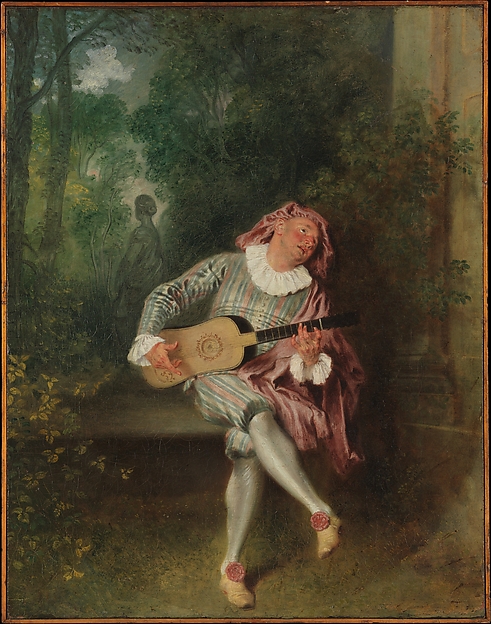
Metropolitan Museum of Art
European paintings, Egyptian temples, Islamic ceramics, American period rooms, and arms and armor spanning five thousand years of world culture.
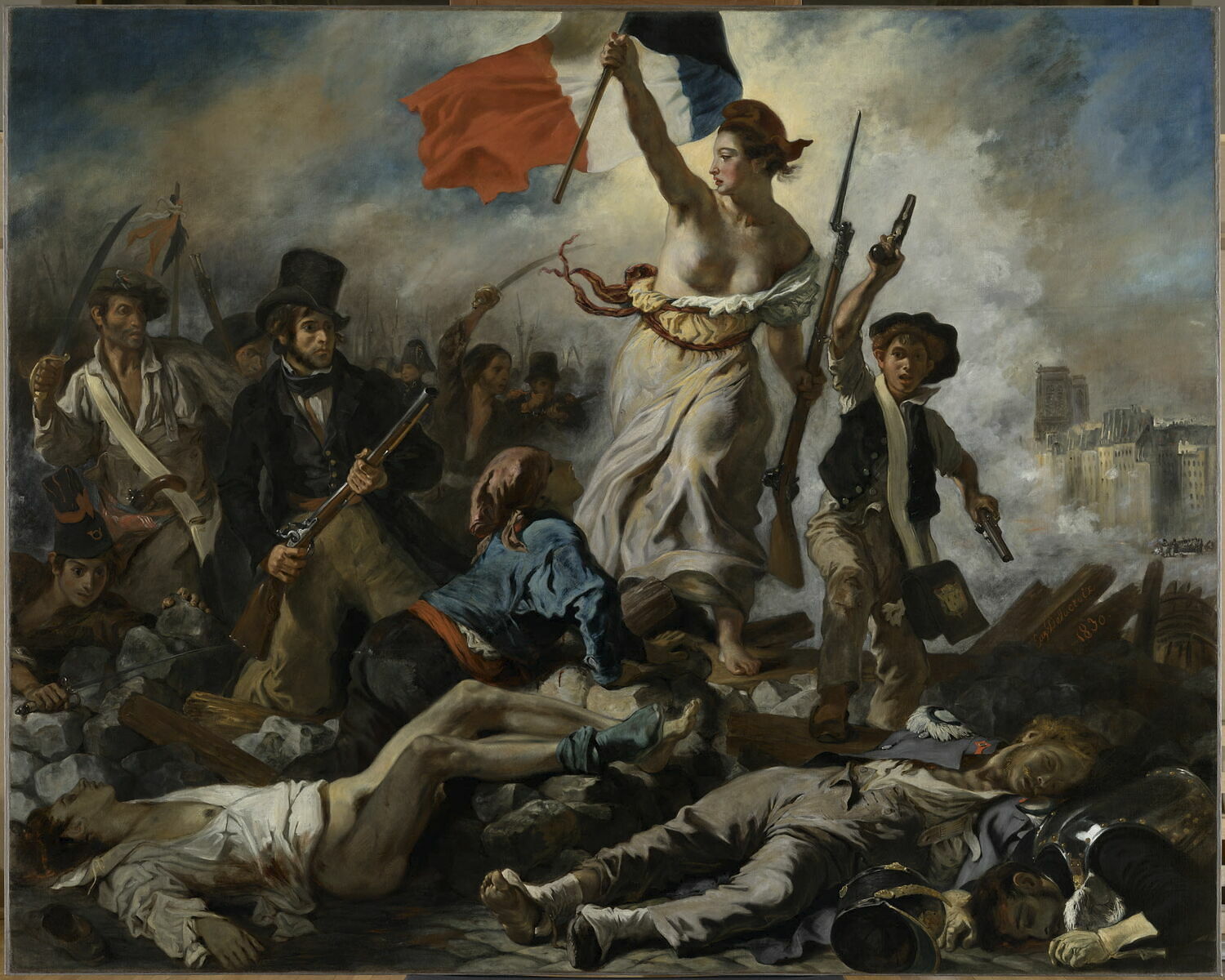
Musée du Louvre
Egyptian antiquities, Mesopotamian reliefs, Renaissance paintings, and royal decorative arts gathered across eight centuries in the palace of the French kings.

Rijksmuseum
Rembrandt, Vermeer, and Frans Hals alongside Delftware, Asian art, and Dutch history — the national museum of the Netherlands in Amsterdam.
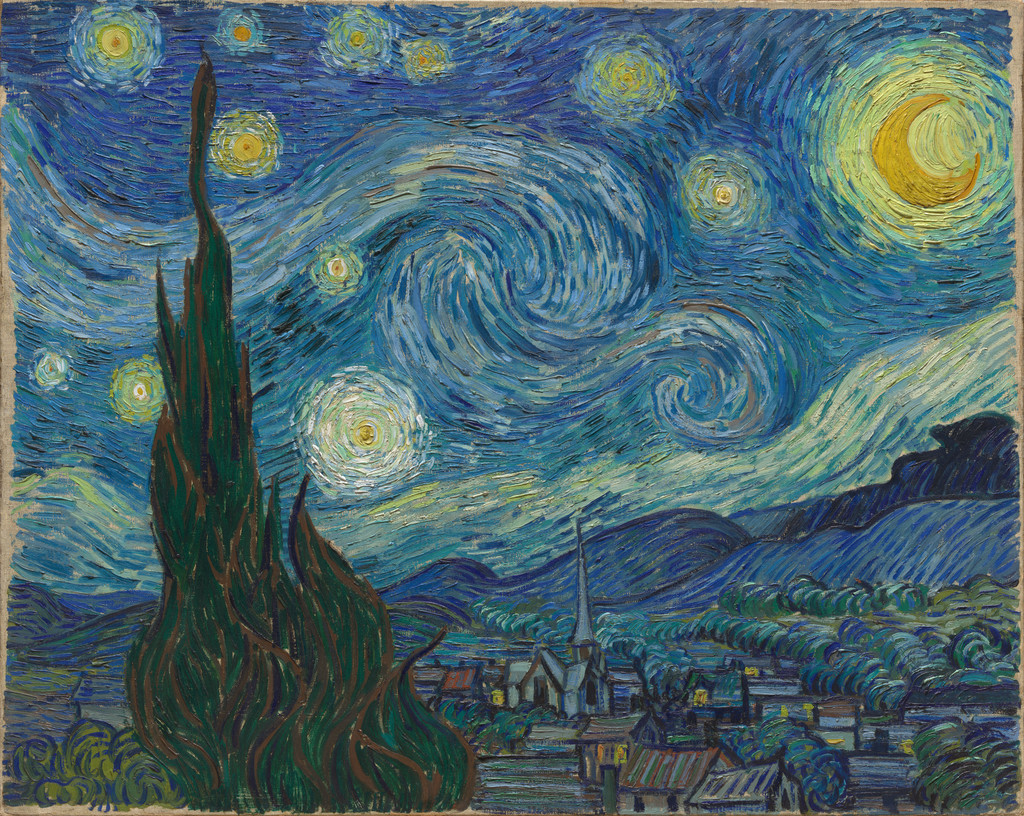
Museum of Modern Art — not available yet
Painting, sculpture, photography, film, design, and architecture tracing modern and contemporary art from Van Gogh and Picasso to today.